

After a wonderful week in Tokyo and Seoul, we flew off to our next destination and first stop in South East Asia: Sabah. The country of Malaysia is geographically separated in two; peninsular Malaysia connected to the asian continent through Thailand, and East Malaysia found on the island of Borneo. The third-largest island in the world, Borneo hosts parts of Malaysia, Indonesia and the country of Brunei.
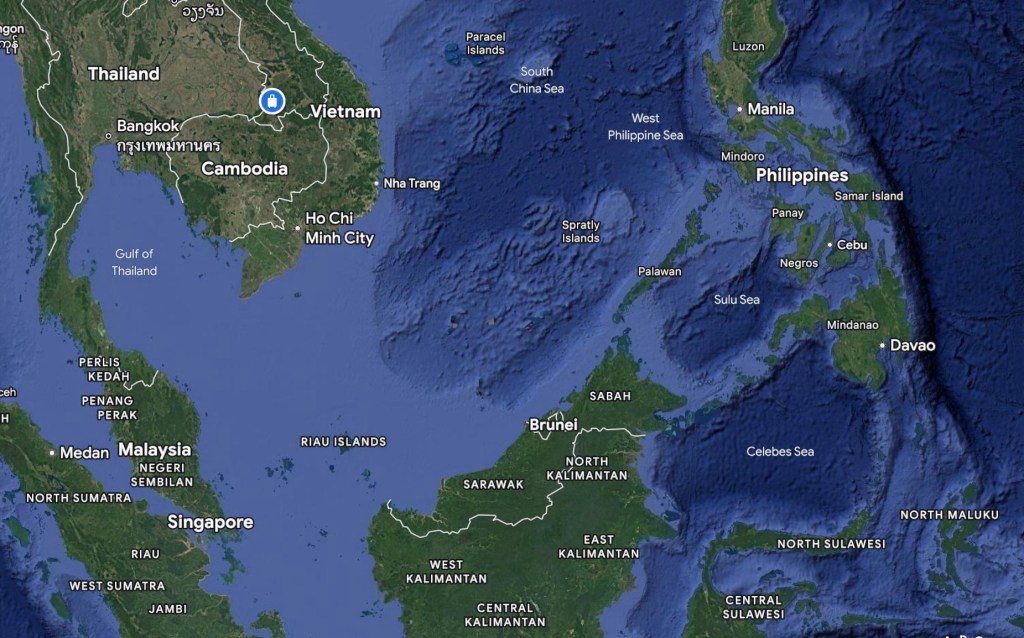

So what made us want to visit, and why did we choose Sabah? First, the nature is exceptional. With some of the most ancient jungles in the world, extraordinary diving in Sipadan, infamously described by Jacques Cousteau as an “untouched piece of art”, diverse wildlife from elephants to orangutans, and the highest mountain in SEA, there’s lots to discover.
Second, Sabah is more difficult to visit from Europe and North America and is not on the typical backpacking route in SEA. Coupled with the incredible nature, we felt it was worthwhile to take the time and visit a place we might never come back to. Sabah in general seemed “more” traveller-friendly and had closer attractions than other parts of Borneo.
Third, after a week of intensive city roaming, we thought a bit of time in a nature-oriented place might offer some respite after our whirlwind autumn and jet-lagged fuelled touristing in NEA.

We landed in Sabah’s capital, Kota Kinabalu. The city itself is very oriented towards tourism with lots of Chinese and asian tourists coming to spend a few days at the beach and shop. Situated on the coast, the city is fringed by a few islands that are protected as part of the Tunku Abdul Rahman National Park. It’s also where we spent our first few days doing one of my favourite hobbies, diving! The boyfriend was convinced to try it out too and he completed his Padi Open Water course, while I did a course generally called Nitrox. The islands and diving were nice if not somewhat polluted.
Plastic pollution is a huge problem around the world stemming from improper waste management and single-use plastics that flow down rivers and off coastlines. Diving in the marine park was the first time where I witnessed corals, anemones, turtles and parrot fish also cohabitate with ramen cups and plastic water bottles. It’s a little jarring to see something shiny thinking it’s abalone or fish scales and find a chicken soup can in the sand instead…
After a few days there relaxing and refreshing our diving muscles, we faced our first obstacle of the trip so far. While we had established a rough plan already of what we wanted to do here, we were trying to tinker out the hard details for our next few days: the bus operator and station, the tour operator, the place we were gonna stay at, etc. But everything we found online was either unclear, lacked contact details or was available but expensive. We visited tourism offices and information centres with little success. We wanted to go hiking in the jungle, but guides were either mandatory and not available or the best places to go were highly exclusive with the added price tag to go with… So what to do?
We decided to show up to a local office for the Crocker Range National Park (with no online coordinates) to see if we could organize something on site. It offered jungle hiking, it was close to Kota Kinabalu and was state-operated. The drive there was gorgeous, jungle spreading across hills and mountains, traversed by small villages and discovered by taking winding roads delimitated by banana and papaya trees. We arrived in the evening after the office had closed and thus slept in a tiny mountain hostel managed by a local family, falling asleep by the sound of a river and bird calls. We were the only ones there. The next morning, we showed up at the park office and asked if there was a guide available to learn that those had to be organized a few days in advance. Ouf…
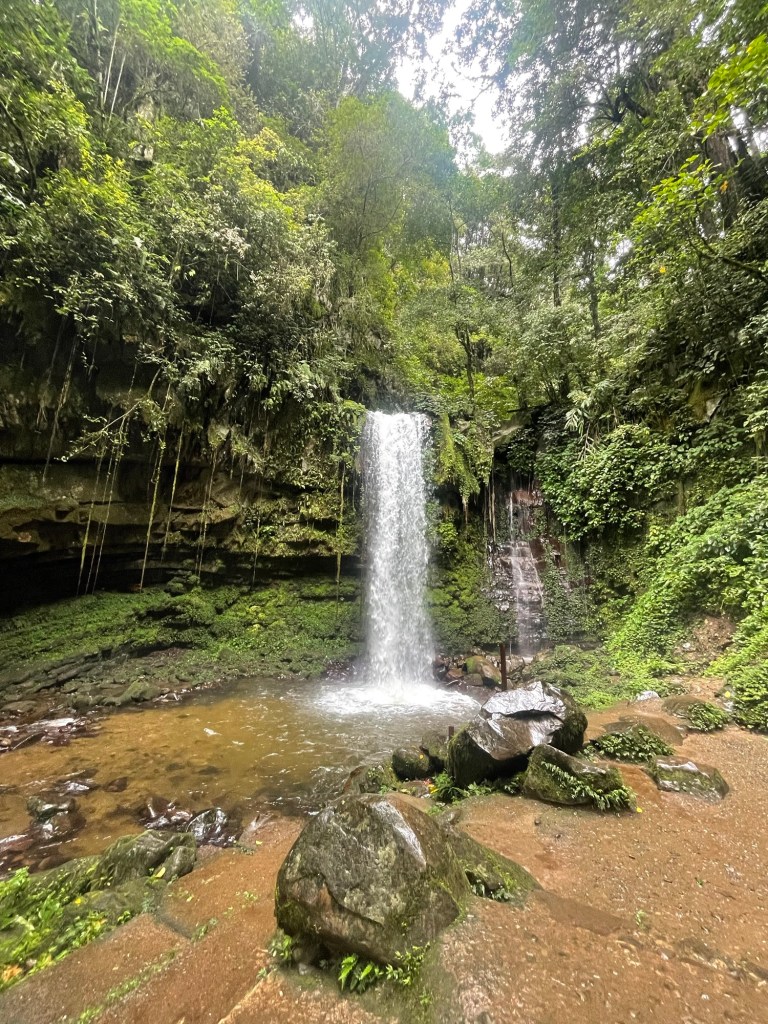
This is pretty much where our expectations and reality collided. Now, I don’t necessarily consider myself an unexperienced traveller or someone who’s exceedingly confident. So it was certainly a new experience to realize that there wasn’t always a self-organized solution to tours. This experience and a few others during our stay helped us understand Sabah for what it was, a vast territory with little touristically-oriented transportation and infrastructure. The areas to visit were far from one another and best visited through people who knew who to contact and how to get places. But those tours often came with prohibitive price tags (like thousands of dollars) making us shy away from doing those.

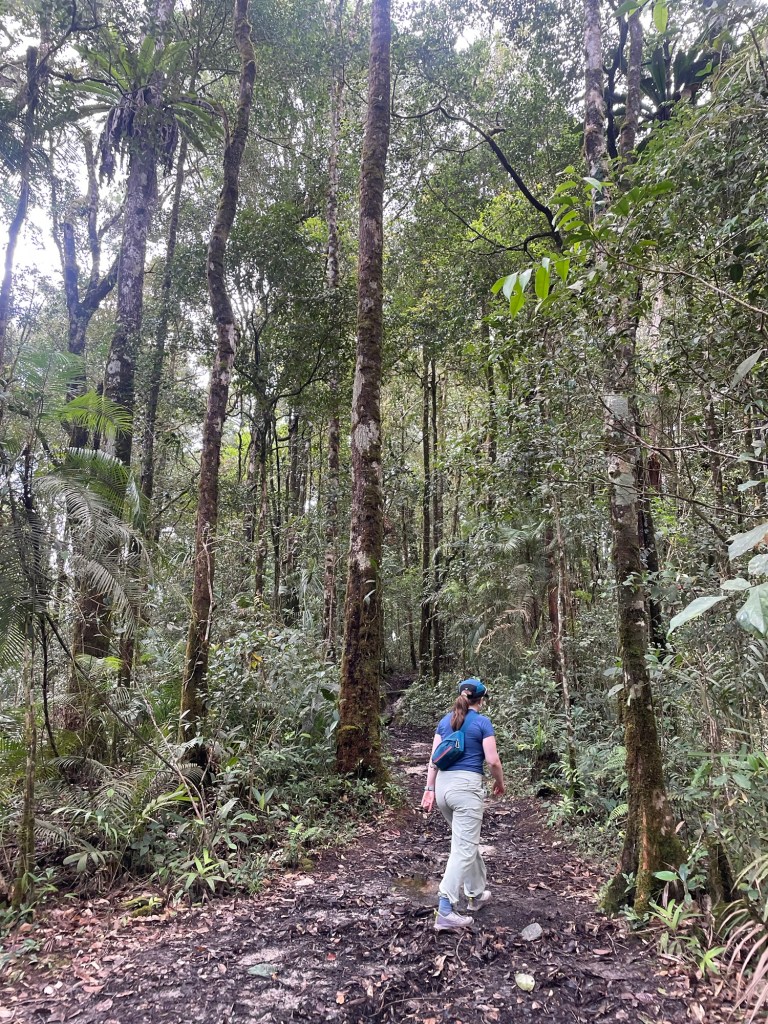


It brought forth the idea of the value of experiences, not the monetary price, but the worthwhileness of visiting a place without doing the most exciting or “best” activities. Sabah has the highest peak in SEA called Mount Kinabalu. A gentle giant I would call it, it’s one of the “easiest” peaks to climb. We didn’t because of the price, and instead opted to hike around the base. An assumed yet unsatisfactory option. It was right there!
We also both got sick (flu) mid-way through the trip, involving a jungle escape, a visit to the doctor and some time in an air conditioned hotel room. It involved slowing down and revisiting the reasons why we were here in the first place. Most of the reasons why we were here, we were only doing half way or not at all! Sometimes, the road most travelled by is not a bad road at all even if more expensive.
One of the remarkable things about the roads in Sabah is that from the mountains of Crocker Range National Park to Semporna they reveal the vastness of the palm oil plantations. By some estimates, 40% of the jungle on the island has been razed to make way for the plantations and about 22% of the land area of Sabah is destined to this type of agricultural exploitation. From this, comes the plight of wildlife and biodiversity that has seen the effects of this monoculture; lack of food, eradication of habitats, increased competition, etc. And also some of the very tourist attractions we visited and enjoyed.

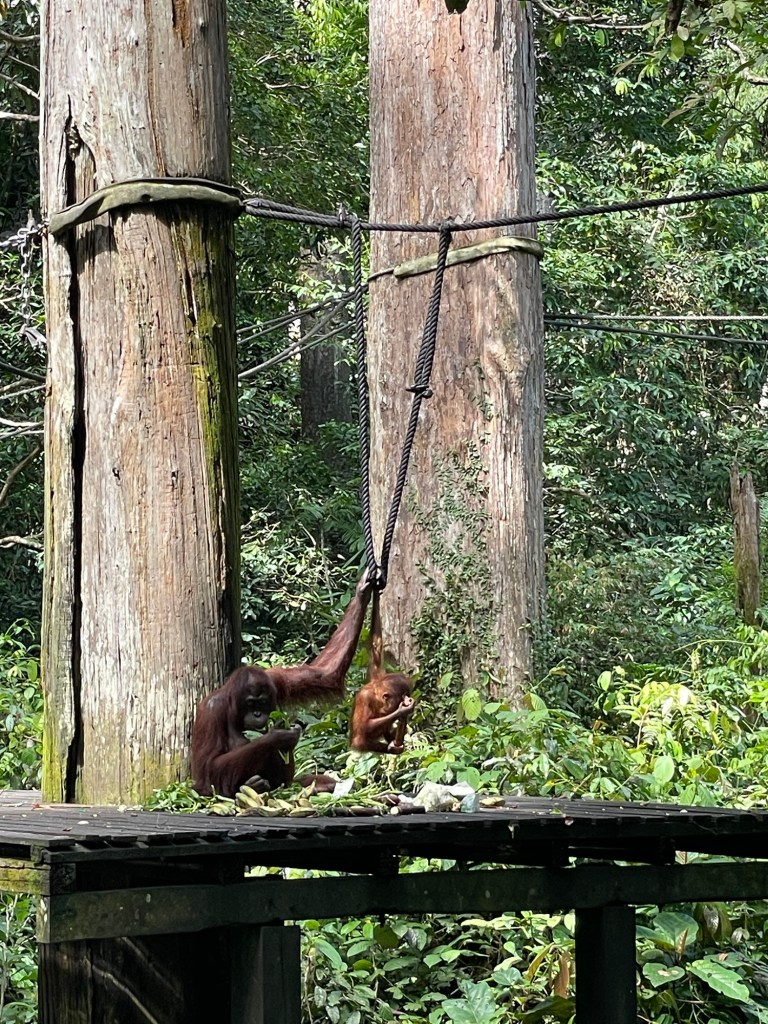

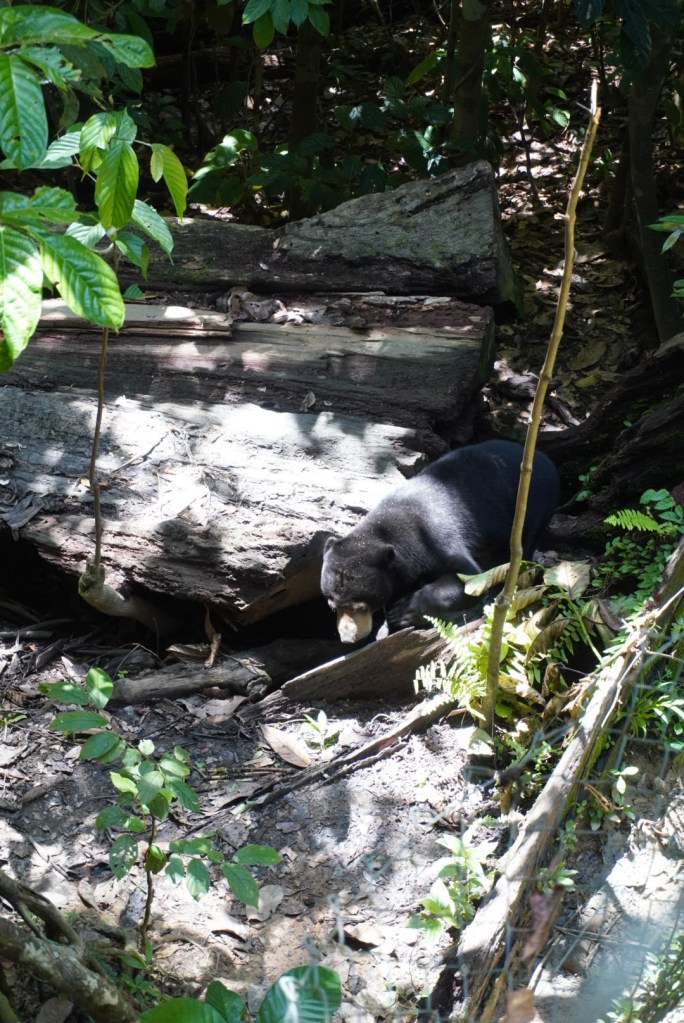
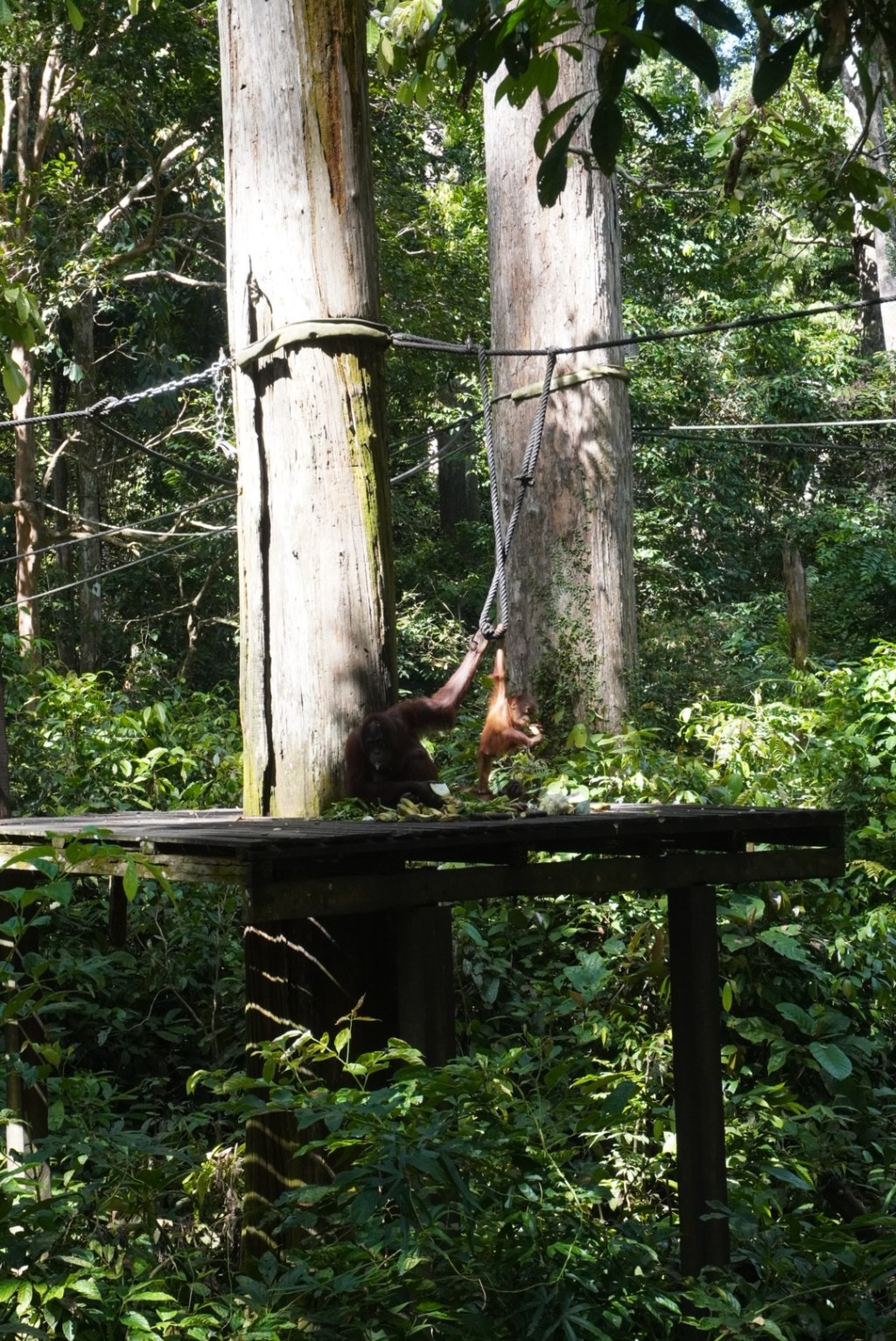
We spent some time in Sepilok which has two sanctuaries, one for orangutangs and another for sun bears, the smallest bear species in the world. It also has a rainforest discovery center with a skywalk. It was awe-inspiring and incredibly funny to witness two female orangutangs and their babies come and snack at the visitor viewing platform. Sepilok is also the gateway to the Kinabatangang river, which is a prime wildlife spotting area.
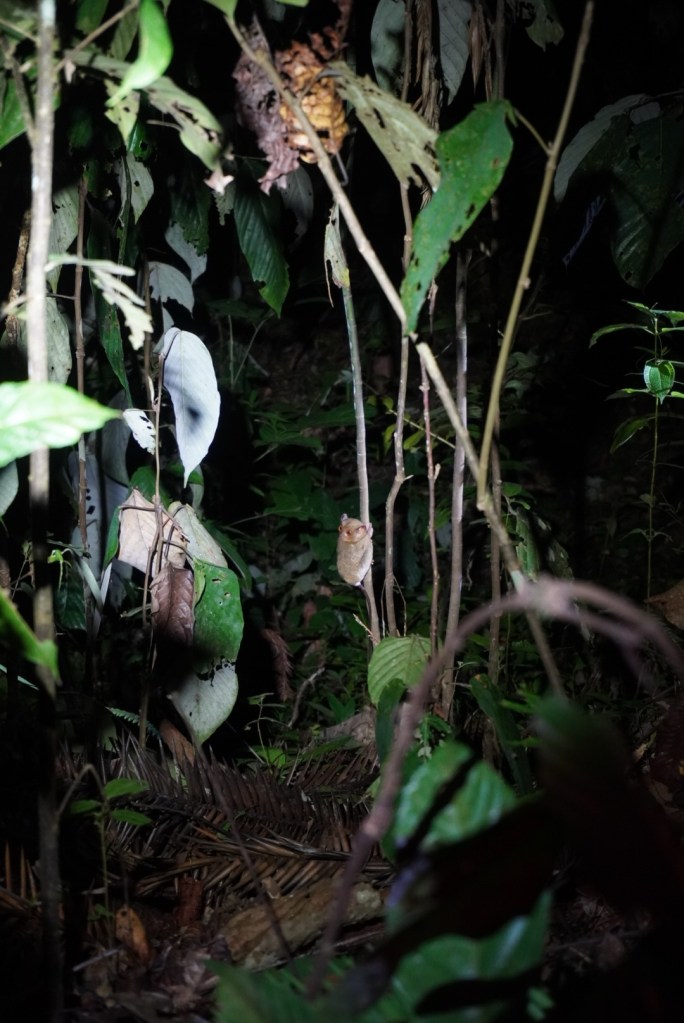
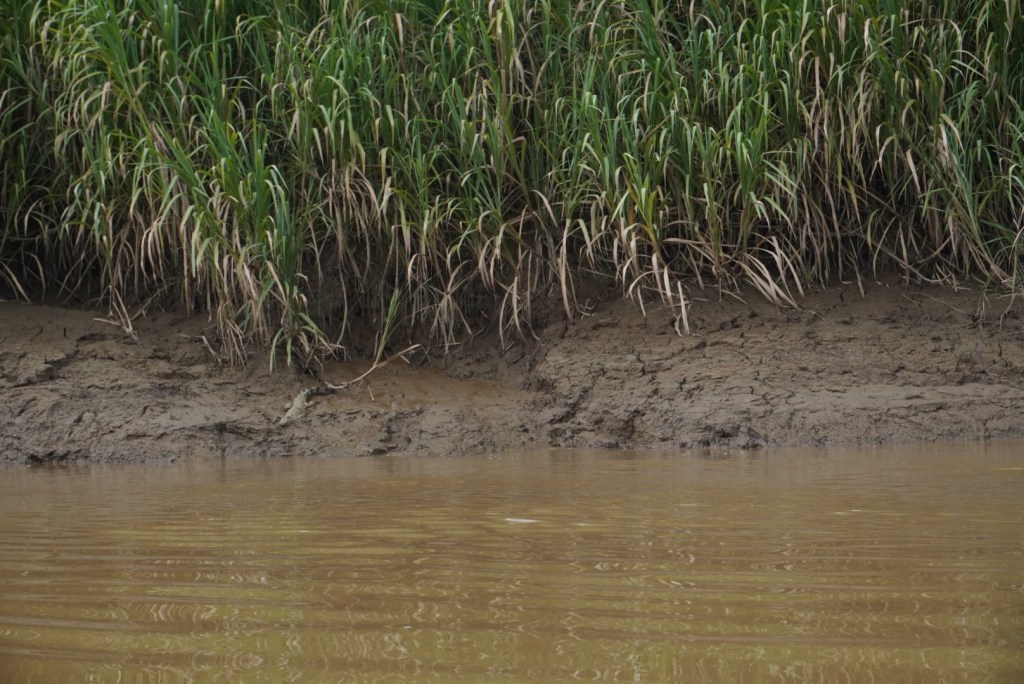
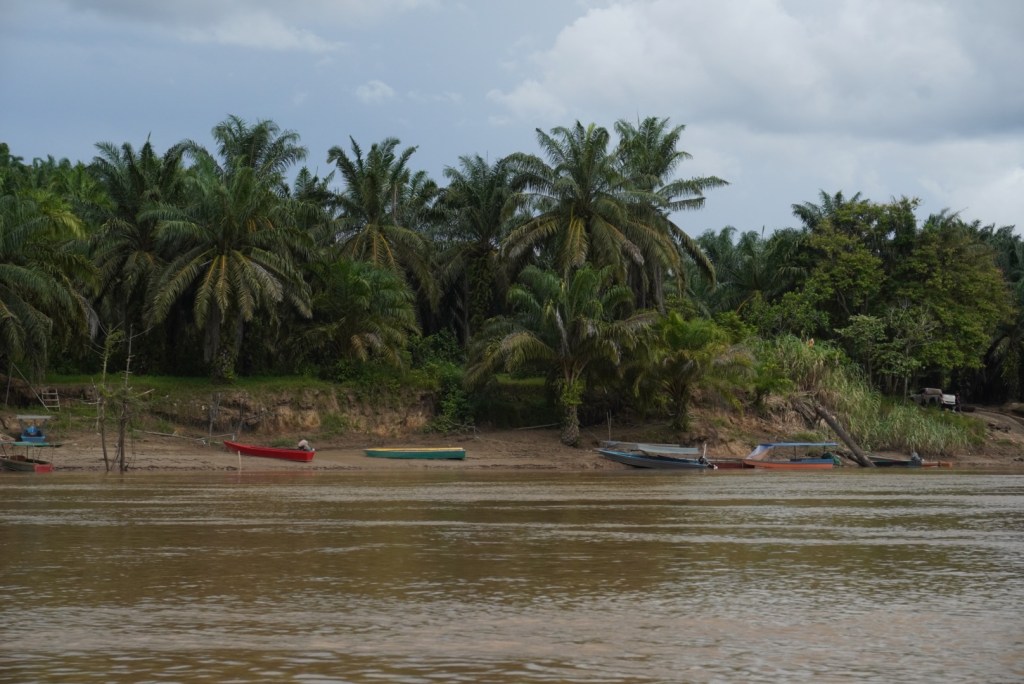

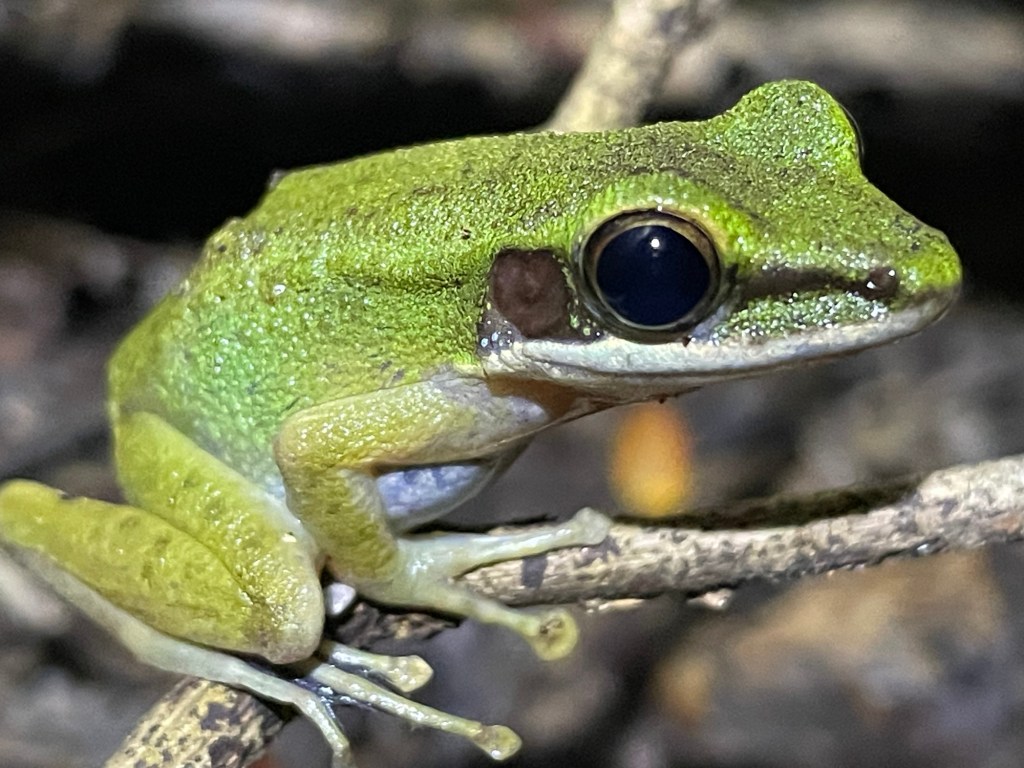
We did a jungle tour there (which we had to end earlier to see a doctor) and were amazed by our guide’s ability to see tiny animals over 100m away. We saw wild orangutangs, a flat-headed cat, alligators, frogs, hornbill birds, kingfishers, and much more. The river is sided by more plantations with intermediary jungle on its banks creating a stark contrast between the animals we came to see and the habitat we witnessed them in.


We finished our time in Sabah at Mabul, an island off the coast of Borneo, close to the Philippines and near the world-famous Sipadan, the marine park titled an “untouched piece of art” by explorer Cousteau. The diving was better than in Kota Kinabalu; we saw tons of turtles chilling on the top of reefs, rays, fish, loads of anemones, pikachu nudibranchs (but also lots of trash). We rested some more and enjoyed the sheer beauty of this area before being off once again for a new destination, a few more lessons wiser.
Stay tuned for more travel stories, Bee.
 A bee on the go
Leave a comment